
Black Musicians in Brantford
Black Musicians in Brantford
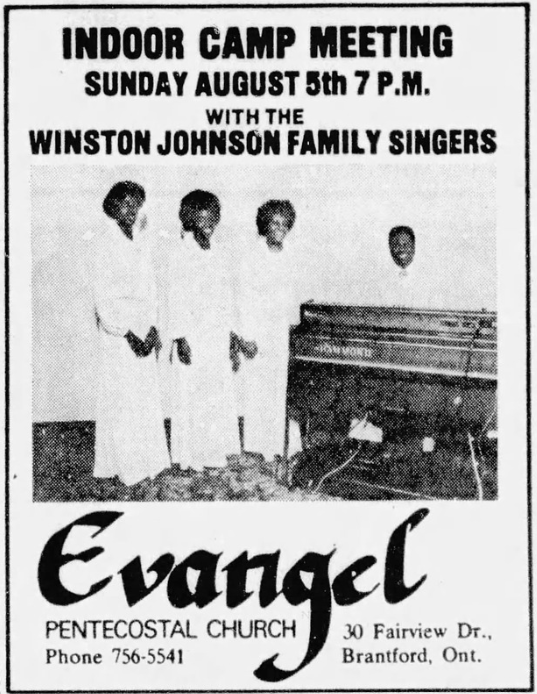
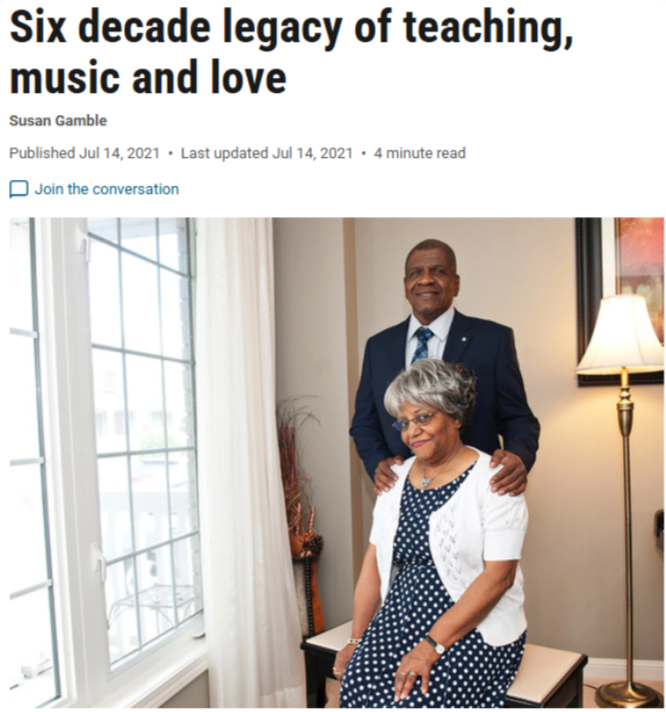
Winston and Doreen Johnson
In the 1960s, Winston and Doreen Johnson broke barriers in Brantford’s classrooms. Winston became the city’s first Black high school teacher and Doreen the first Black elementary school teacher. For more than three decades, they taught hundreds of local children—often serving as their first introduction to a Black teacher—and were determined those impressions would be positive ones. Win taught drafting, machine shop, and math at North Park Collegiate, Brantford Collegiate, and Paris District High School, while also teaching technical courses at Mohawk College. Doreen shaped generations of students at Mount Pleasant, Tranquility, Russell Reid, and Graham Bell Schools. Both were remembered for their kindness, mentorship, and the life lessons they instilled beyond academics.
Outside the classroom, Winston and Doreen were also musical giants. Win’s guitar and Doreen’s powerful voice led worship teams for decades, and their daughters carried the family’s musical legacy forward—Karen Burke as co-founder of the Toronto Mass Choir and Tracy Lee Johnson as a performer and soloist. Rooted in a proud family history that traces back to Freedom Seekers and church leaders in Brantford, the Johnsons built a legacy of resilience, culture, and belonging that continues to inspire today.
The O’Banyon Jubilee Singers and The Famous Canadian Jubilee Singers Performance
In the late 19th century, Jubilee singers enjoyed widespread popularity, drawing large and enthusiastic audiences across North America. A Brantford Expositor notice from 1877 announced a concert by the famous Nashville Colored Jubilee Singers, praising their repertoire of spirituals, refrains, and choruses “characteristic of the old slave life of the South.”
In July 1880, the Brantford Expositor carried its first public notice about forming a band of “colored citizens.” Out of this vibrant musical spirit emerged Brantford’s most famous Black choir—the O’Banyon Jubilee Singers. Named in honour of benefactor Simon Peter O’Banyon, who donated land for the British Methodist Episcopal (later S.R. Drake Memorial) Church, the group became beloved across Canada. Through concerts of Black spirituals, they raised significant funds to support their church and strengthen Brantford’s Black community.
Led by Rev. Josephus O’Banyoun, son of Simon Peter and Sophia O’Banyon, the choir featured an impressive roster: Josephus’s wife, Lottie E. (Bland) O’Banyoun, a talented soprano, contralto, and organist; Estella Page, alto and solo organist; Alzaida Young, a celebrated high soprano; Maud Garrison, elocutionist and contralto; J.A. Dorsey, basso; and Prof. Wm. H. Hogan, mandolinist and tenor. Members of the troupe, including Josephus O’Banyoun, also performed with the Canadian Jubilee Singers, an internationally acclaimed choir organized in 1878 by William and Sadie Carter of Hamilton.
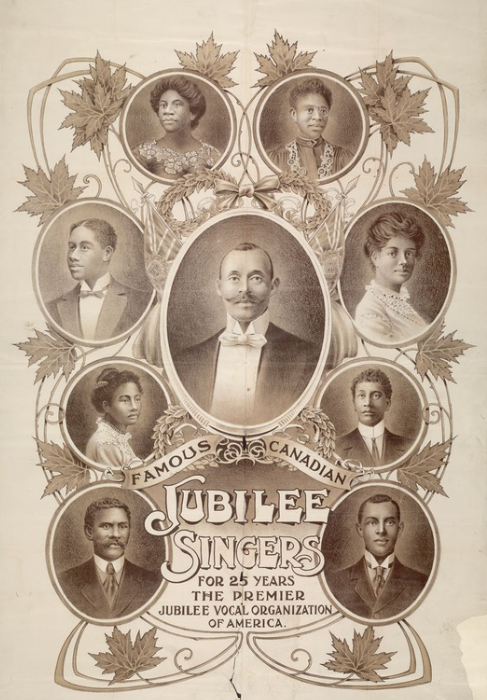
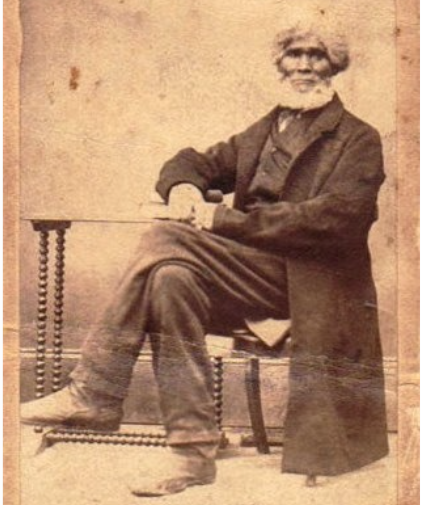
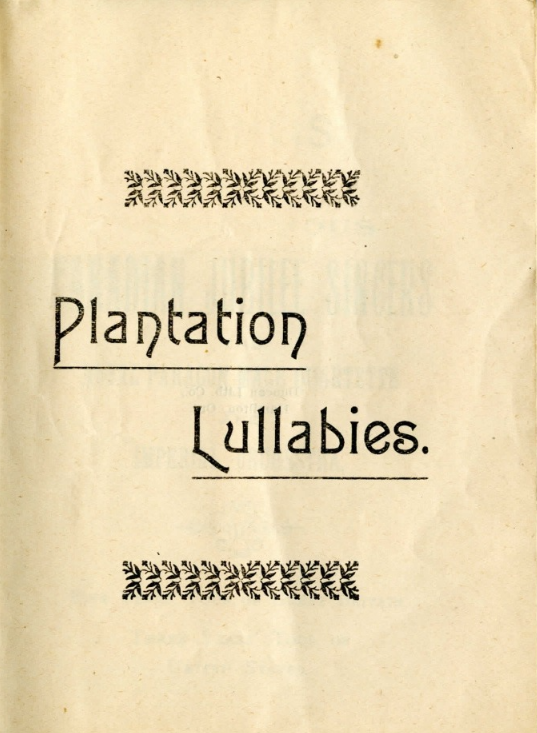
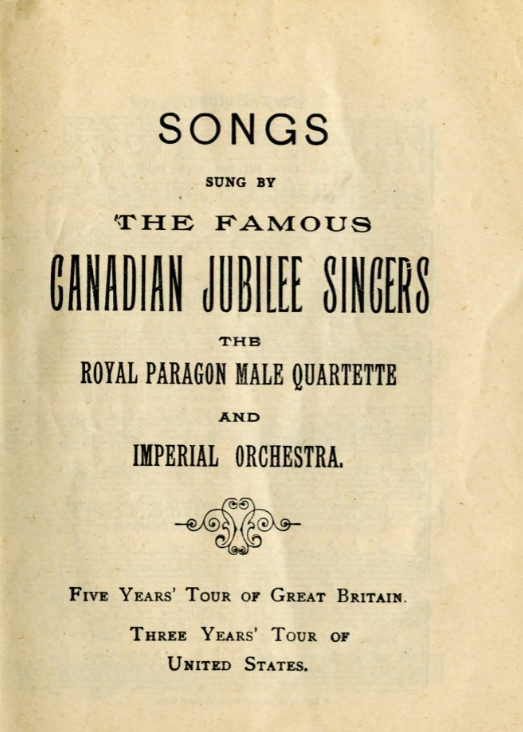
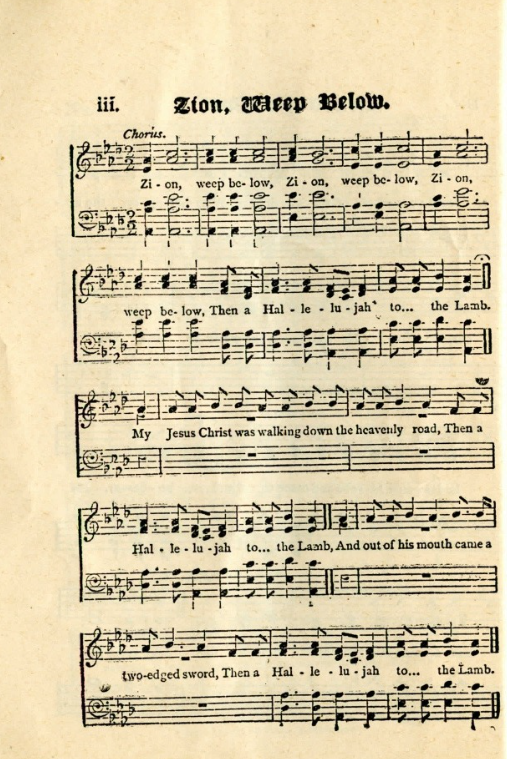
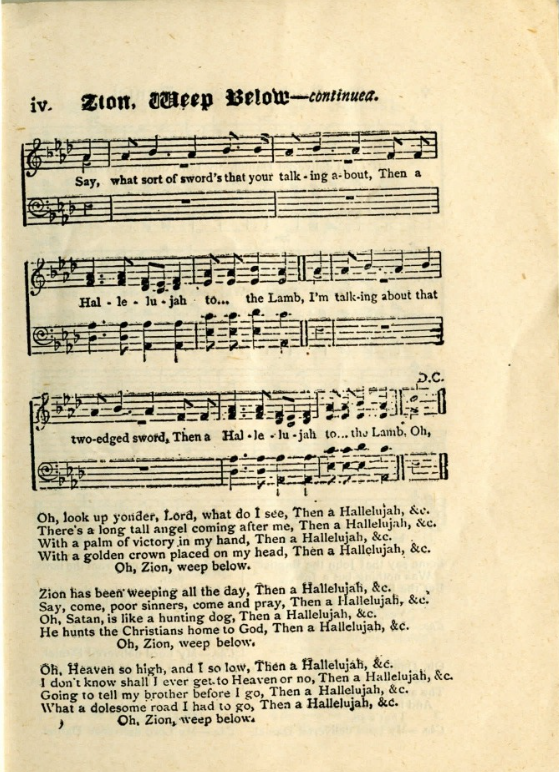
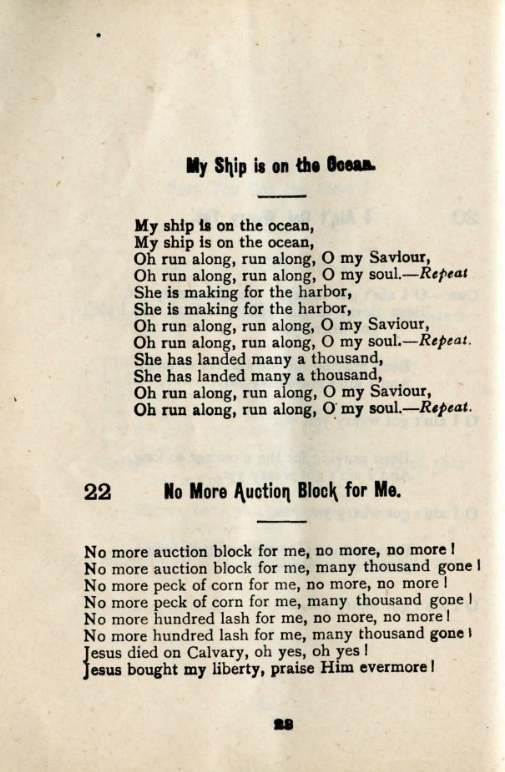
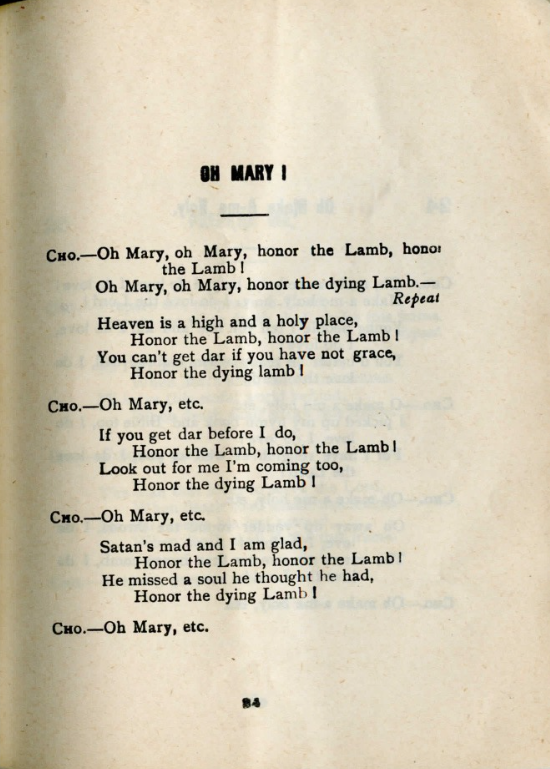
Plantation Lullabie
The "Plantation Lullabies" songbook from 1898 was a music booklet by the Famous Canadian Jubilee Singers that featured spirituals and other songs, including some with and without music.
Its cover art is significant, with the front showing a US eagle and the title phrase "What We Have We'll Hold," while the back features the British lion on symbols of its empire, reflecting its historical context.
The booklet's publication date is tied to the Spanish-American War and contains songs like "Roll Jordan, Roll" and "Swing low, sweet Chariot".


