
Jimmy (James Eugene) Wilkes
Jimmy (James Eugene) Wilkes
Early Life and Family
1925:
On October 1, Jimmy Wilkes was born in Philadelphia, Pennsylvania, to Minnie (Gullick) and Histron Wilkes. From the start, family and faith gave him the strength that would carry through his remarkable life.
1943:
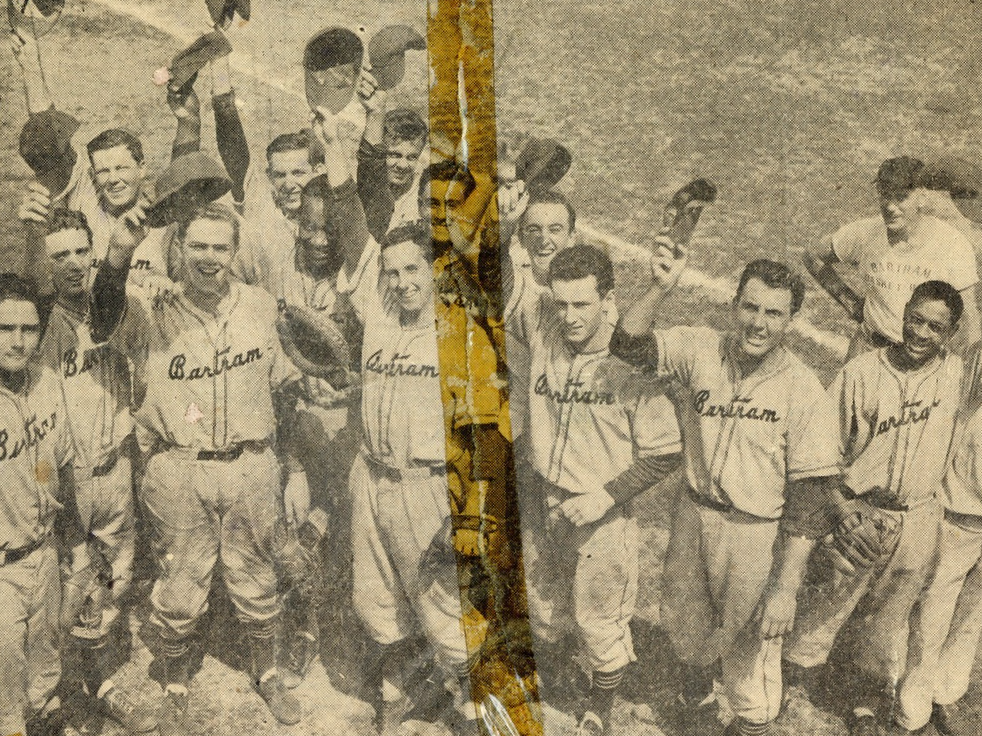
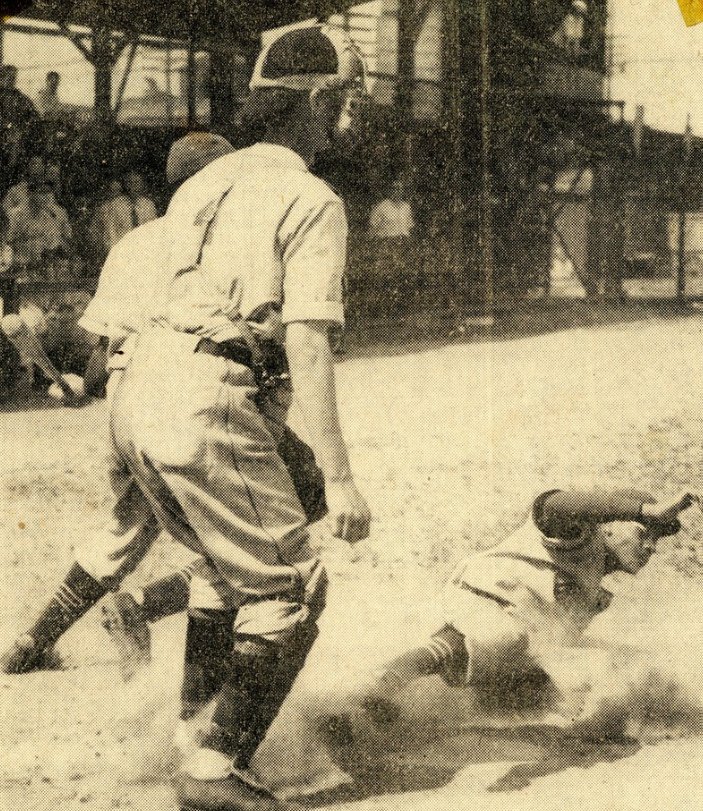
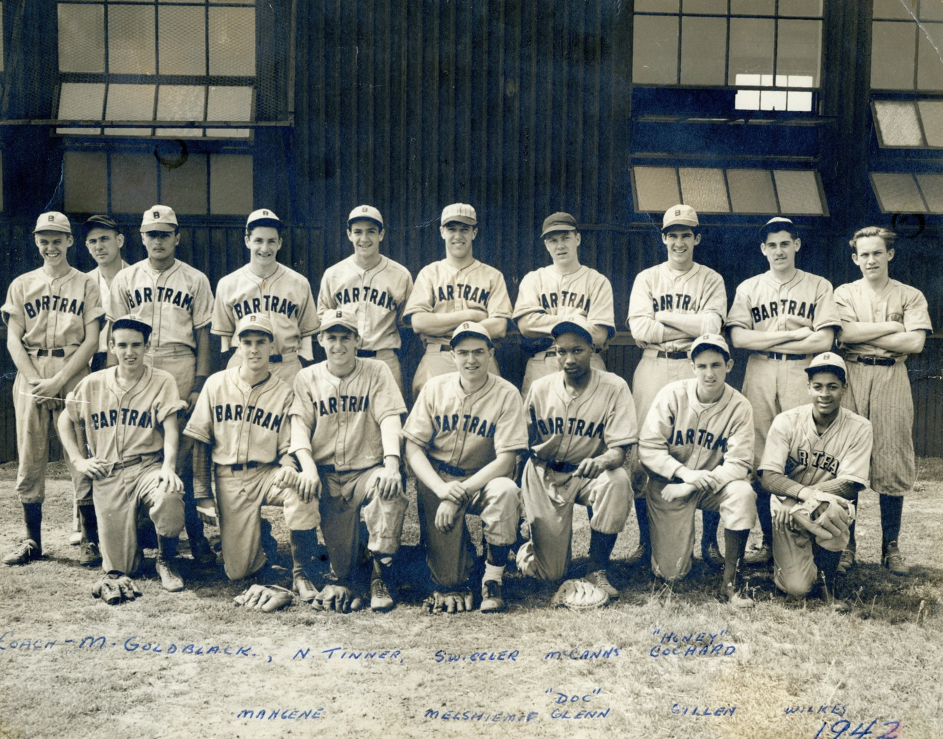
As a teenager, Jimmy shone on the baseball diamond for John Bartram High School. That year, he led the Clippers to the Public High School Baseball Championship, going 3-for-3 with 4 RBIs—including a game-changing triple in a 5–3 victory. Local newspapers praised his dazzling speed and fearless defense in left field. One writer marveled at how this “demon left fielder” casually leaned against the fence, waiting for the ball to “decide to fall into his glove.” Jimmy’s perfect day at the plate made him a hometown hero, remembered as one of the “heroes in the flag-clinching act.”
1943–1944:
Like many young men of his generation, Jimmy answered the call to serve in World War II. He briefly enlisted in the U.S. Navy, but a back injury led to an honourable discharge. His time in uniform was short, but it deepened his resilience and sense of duty.
1944:
Determined to keep playing baseball, Jimmy turned to the Negro Leagues when opportunities in Philadelphia were closed to him because of his size. With encouragement from a friend, he tried out for the Newark Eagles—this time, he made the team, launching his professional career. That same year, on July 25, Jimmy married Hattie M. Davis. Together they raised four children—James, Janice, Patricia, and Eugene.
Professional Baseball Career
Negro League Era (1945-1952):
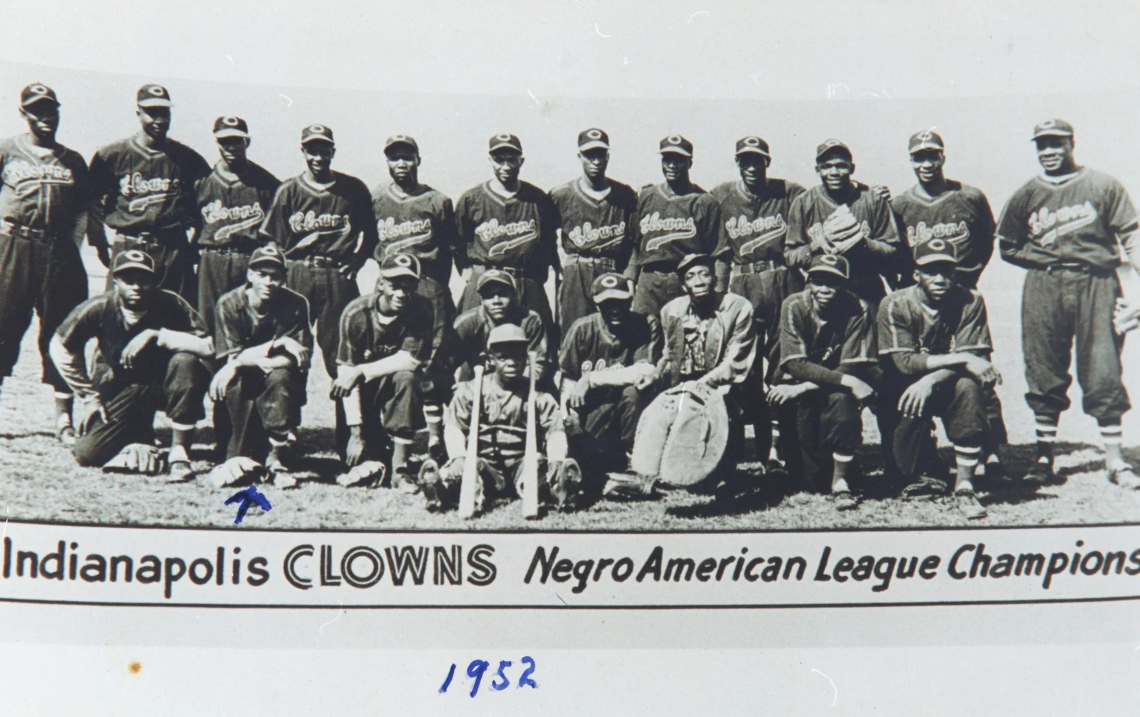
In 1945 he joined the Brooklyn Brown Dodgers in the short-lived United States League, beginning his professional baseball career. A year later, he signed with the Newark Eagles as starting center fielder. There he helped lead the team to victory in the Negro League World Series over the Kansas City Monarchs, made a legendary catch at the Polo Grounds, hailed as one of the greatest ever seen, and Collected two hits off Satchel Paige, one of the best pitchers in history. In 1948, he was selected as a Negro League All-Star and led the Negro National League in triples. In 1952, he joined the Indianapolis Clowns (based in Buffalo), hitting .325, stealing 49 bases, and scoring 63 runs.
Despite a .300 batting average, Wilkes was overlooked by the major leagues after integration, as teams sought larger power hitters over fast, contact players like him.
Minor League System (1950-1952):
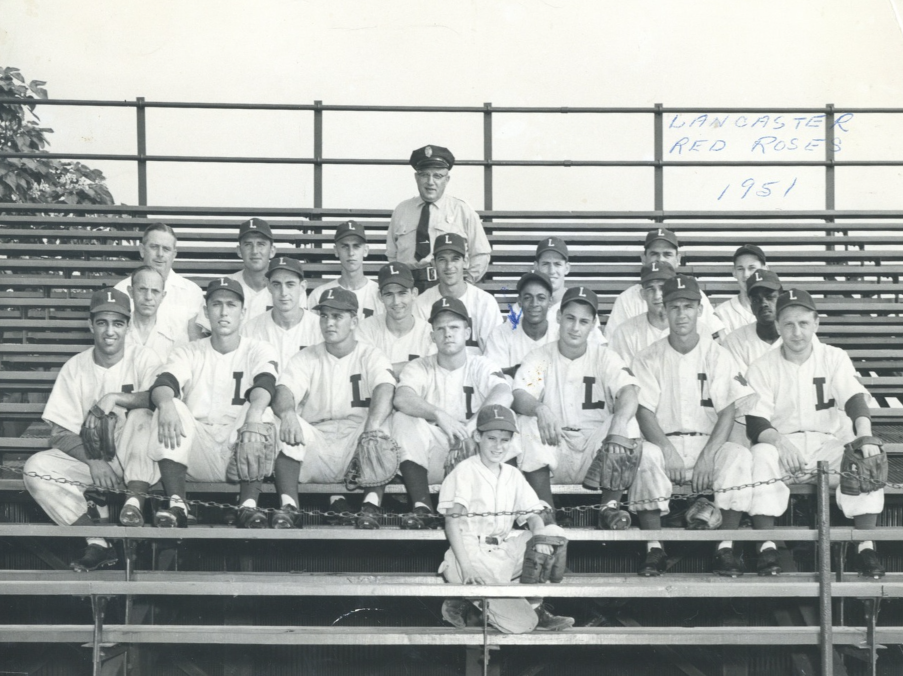
During this time, he was signed by Brooklyn Dodgers scout Dewey Griggs, becoming one of the first Black players in the Dodgers’ farm system. Played with Elmira, Three Rivers, Lancaster, and Great Falls, where he helped win a league championship. Despite the end of baseball’s colour barrier, Jimmy still faced discrimination at restaurants—yet his teammates often walked out with him in solidarity. In 1952 he requested his release, frustrated by the limited opportunities, and returned to the Negro Leagues. Reflecting later, he said, “Opportunity only knocks once. It’s the best move I ever made.”
Brantford Red Socks Era (1953-1965):
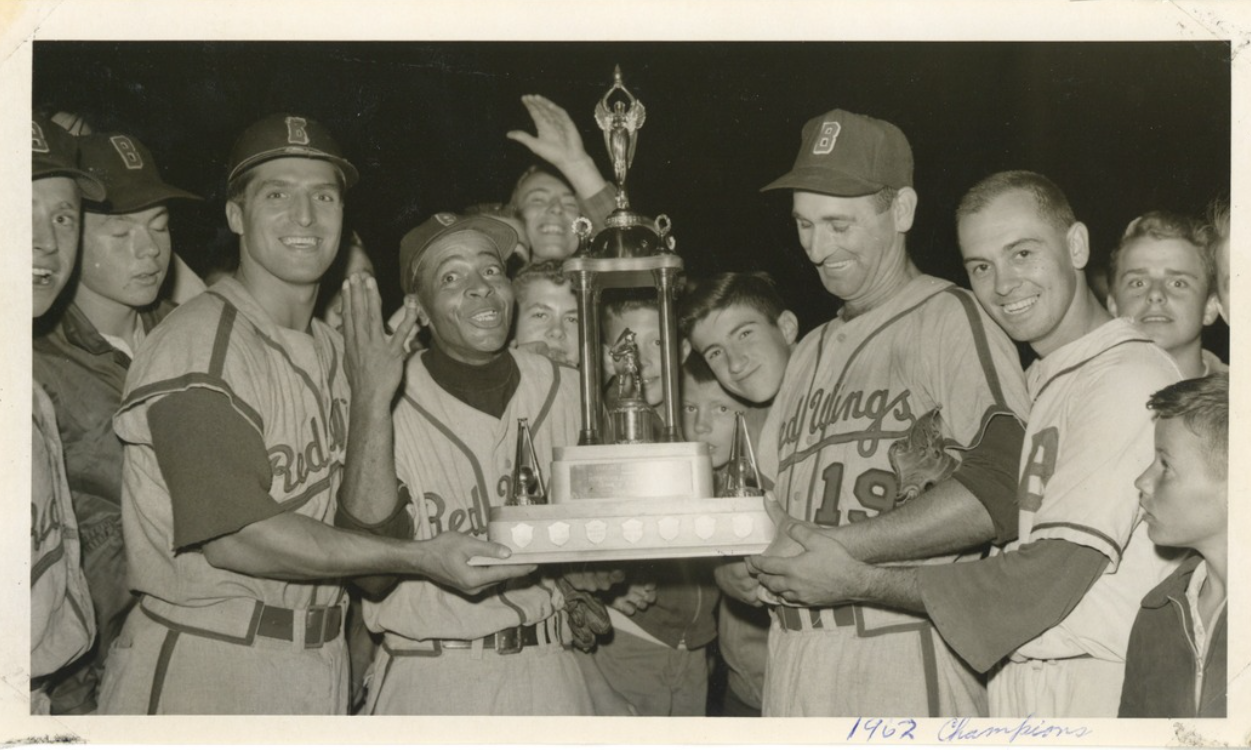
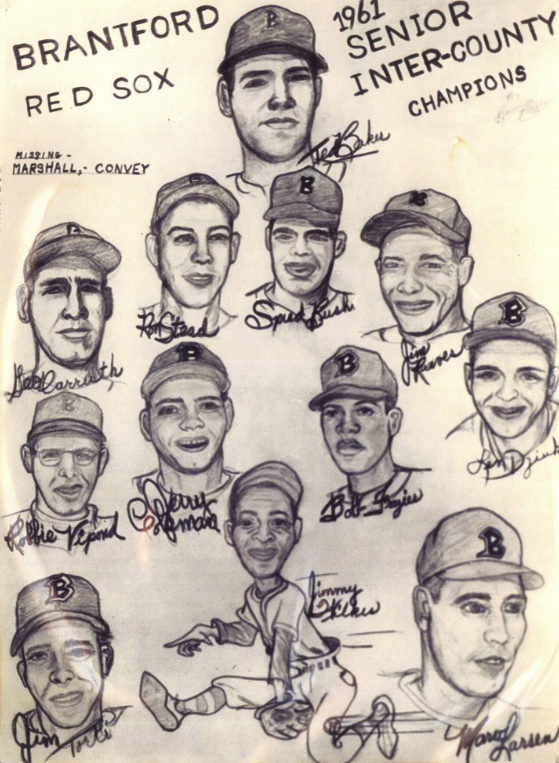
In 1953, Jimmy arrived in Brantford after going 5-for-5 in a barnstorming game and signed with the Red Sox for $500 a month, quickly became a fan favourite. From 1959 to 1963 the Red Sox captured five straight championships with Jimmy leding the league in stolen bases (1960) and runs scored (1961 & 1963). In 1963, he retired as a player, but not from the game becasue he began coaching a local squirt baseball team, passing on his skills to the next generation. In 1965, he stepped behind the plate as an umpire in the Intercounty League, where his fairness and knowledge made him just as respected as in his playing days.
Beyond His Baseball Career
Post-Playing Career (1965–1988):
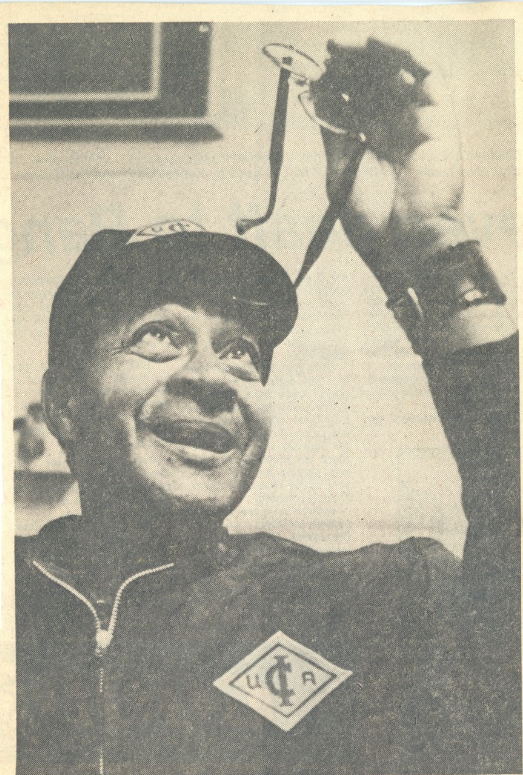
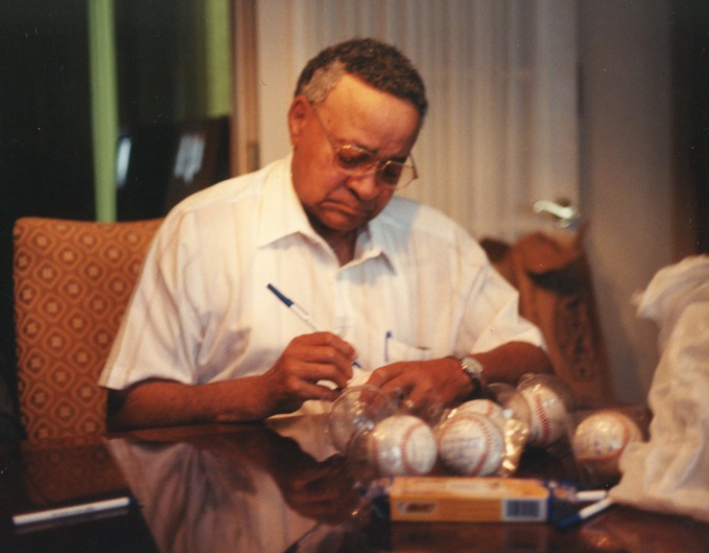
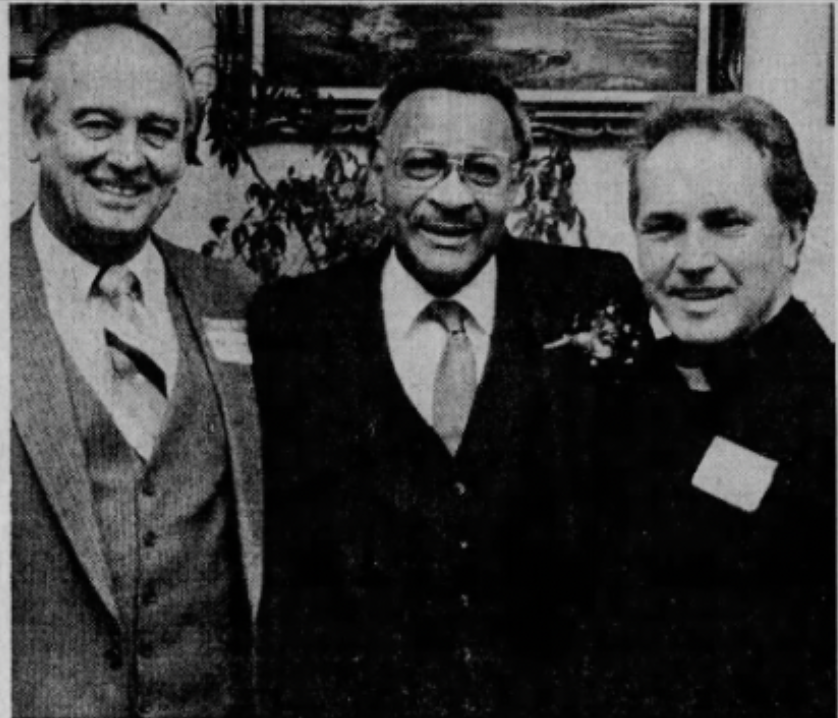
During this time, he served as a baseball umpire for 23 years, becoming one of the most respected officials in the Intercounty League. He also taught kids the finer points of baseball at Teen Town summer programs in the 1950s. In 1984, he was inducted into the Brantford and Area Sports Hall of Recognition, one of its earliest honourees.
Working Life & Community (1953–1987):
He worked for the Brantford Public Works Department for 34.5 years as a street sweeper in summer and snowplow operator in winter. The neighbourhood children loved him and nicknamed him “Yogi Bear,” he even carried a driver’s license plate that read “Yogi.” He also delivered prescriptions for Shoppers Drug Mart in West Brant, where his friendly chats with seniors often made him late for the next delivery.
Retirement & Personal Life (1988–2008):
Jimmy enjoyed bowling in the Echo Lanes Senior Monday League and cheering for the Toronto Blue Jays. He aslo cared for birds around his home and hand-fed local squirrels. Even after retirment, he continued to attend baseball games, proudly watching his grandsons play and supporting the Red Sox, Junior Braves, and other local teams. He also loved music, especially Barry White and the Pointer Sisters, whose soulful sounds resonated deeply with him. On August 11, 2008, he passed away in Brantford, Ontario, at age 82, after battling Alzheimer’s disease. He was survived by his wife Donna, family, and countless friends and neighbours who remembered not only his blazing speed on the field, but also his warm heart, humility, and lifelong service to the community.
Legacy
Jimmy broke barriers as the first African-American player in the Intercounty League and became the first inductee into the team’s Wall of Fame. Today, he is fondly remembered as “one of the most popular figures ever to grace an intercounty diamond” – Ted Beare. He is remembered for his role in the community as well as his controbutions to baseball.


